Have questions you want answers to?
ALL TRAVELERSYou should be up to date on routine vaccinations while traveling to any destination. Some vaccines may also be required for travel. | |
| Routine vaccines | Make sure you are up-to-date on routine vaccines before every trip. These vaccines include measles-mumps-rubella (MMR) vaccine, diphtheria-tetanus-pertussis vaccine, varicella (chickenpox) vaccine, polio vaccine, and your yearly flu shot. |
MOST TRAVELERSGet travel vaccines and medicines because there is a risk of these diseases in the country you are visiting. | |
| Hepatitis A | CDC recommends this vaccine because you can get hepatitis A through contaminated food or water in Tanzania, regardless of where you are eating or staying. |
| Typhoid | You can get typhoid through contaminated food or water in Tanzania. CDC recommends this vaccine for most travelers, especially if you are staying with friends or relatives, visiting smaller cities or rural areas, or if you are an adventurous eater. |
SOME TRAVELERSAsk your doctor what vaccines and medicines you need based on where you are going, how long you are staying, what you will be doing, and if you are traveling from a country other than the US. | |
| Cholera | CDC recommends this vaccine for adults who are traveling to areas of active cholera transmission. Cholera is found in most parts of Tanzania. Cholera is rare in travellers but can be severe. Certain factors may increase the risk of getting cholera or having severe disease (more information). Avoiding unsafe food and water and washing your hands can also prevent cholera. |
| Hepatitis B | You can get hepatitis B through sexual contact, contaminated needles, and blood products, so CDC recommends this vaccine if you might have sex with a new partner, get a tattoo or piercing, or have any medical procedures. |
| Malaria | Talk to your doctor about how to prevent malaria while traveling. You may need to take prescription medicine before, during, and after your trip to prevent malaria, especially if you are visiting low-altitude areas. See more detailed information about malaria in Tanzania. |
| Rabies | Rabies can be found in dogs, bats, and other mammals in Tanzania, so CDC recommends this vaccine for the following groups:· Travelers involved in outdoor and other activities (such as camping, hiking, biking, adventure travel, and caving) that put them at risk for animal bites. · People who will be working with or around animals (such as veterinarians, wildlife professionals, and researchers). · People who are taking long trips or moving to Tanzania · Children, because they tend to play with animals, might not report bites, and are more likely to have animal bites on their head and neck. |
| Yellow Fever | Health recommendation: CDC does not recommend yellow fever vaccine for most travellers to Tanzania. However, you might consider this vaccine if you are staying a long time or will be heavily exposed to mosquitoes.Country entry requirement: The government of Tanzania requires proof of yellow fever vaccination upon arrival if you are traveling from a country with risk of yellow fever (this does not include the US – see complete list: Countries with risk of yellow fever virus (YFV) transmission.) For more information on recommendations and requirements, see yellow fever recommendations and requirements for Tanzania. Your doctor can help you decide if this vaccine is right for you based on your travel plans. Note: Yellow fever vaccine availability in the United States is currently limited. If you need to be vaccinated before your trip, you may need to travel some distance and schedule your appointment well in advance. Find the clinic nearest you. |
So before you go, you should know how much to tip in Tanzania.
Basic first aid kits are available at most Tanzania lodges and camps, but you should always have one with you whenever an emergency arise. Your first aid kit should include mosquito repellent and malarial prophylactics, as well as your SPF preferred category sunscreen, antihistamine and an over-the-counter pain relieving medication, such as Aspirin, Ibuprofen, Panadol or Tylenol and a few protective bags can be included in your first aid kit for this purpose. Bring larger lightweight cover bags for protecting your bagged camera and lenses too from dust and water where required e.g. canoeing or boating safari. Other items for your first aid kit are antiseptic gel, anti-diarrhea medication, antacid tablets for indigestion, Band-Aids with antiseptic cream, prescription medications and spare eyeglasses even if you wear contact lenses.
YES! Of course you can since all of our 4×4 safari jeeps are encrypted with inverters and you can easily charge your devices easily
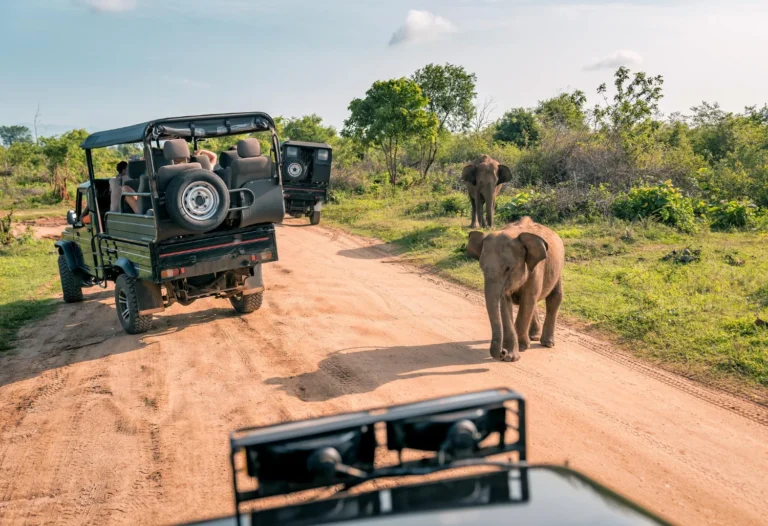
All our Safari vehicles are Toyota Land cruiser 4x4s. They have pop-up roofs. The vehicles are serviced and maintained to a very high standard before, during and after every safari.
The age of the vehicles in our fleet varies but most were built between 2008 and 2013. If your vehicle does break down and it cannot be fixed on the road, we will request a rescue jeep which will come for you so that you can continue your safari with minimum impact. Whilst every effort is made to prevent this from happening, the driving is rough and the vehicles do take quite a pounding.
It is inevitable that over time, the experience has become less authentic and we are in the process of sourcing alternative options for our clients. You are very welcome to visit, but we wanted to be open and transparent about the kind of experience you can currently expect.
At the camps and Tented lodges, chefs prepare fresh soups, breads, entrees and desserts daily, In most lodges, meals are served buffet-style. The food is often prepared with Western palates in mind (some local dishes are included).
Tourist lodges are full service facilities with private rooms or cottages with private bathroom and have restaurants and lounges. Some have swimming pools. Many lodges are architecturally stunning made with local materials and inspired by local designs and the environment. Some lodges can accommodate up to 200 guests.
Tented camps are permanent or semi-permanent camps sited in areas of excellent game viewing. These provide many of the comforts of a lodge within private spacious canvas tents on a solid permanent base with beds and private baths, and high-quality meals. Tented camps are more intimate than lodges as they generally accommodate 12 to 20 guests.
On a basic camping safari guests sleep in private tents in designated campsites in or near national parks. Our safari crew sets up the camp and prepares all the meals. Washroom facilities are basic and are shared with other guests.
Travel Holidays Tours & Safari only offers private safari tours. Whilst it is a slightly more expensive option, there are many benefits. In consultation with your guide, you can have more control over your safari e.g. daily departure times, the focus of your game drive etc. You will also have more space in the safari vehicle and better viewing opportunities.
Have you ever considered what would happen if you were to break your leg in the middle of nowhere? We have. It would be a difficult situation. That is why we choose to ensure all of our guests with a Flying Doctors service called FIRST AIR RESPONDER, the most effective medical emergency response available in Tanzania. This service is NOT to replace any medical scheme you already have but to act as an immediate response to medical emergencies in Tanzania. There is a gap that insurances and even international evacuation companies don’t always cover – transport from the scene of an accident to a hospital of international standards. With FIRST AIR RESPONDER insurance, a patient is stabilized and transported by the most swift and efficient means to the regional centre of medical excellence, using a medically equipped plane or vehicle. The cost for this insurance is a price worth paying and we include this insurance for every person going on safari with us.
Many people worry about wild animals on safari. This is what your guide is here for. He will make sure that you always keep a safe distance. If the animal feels safe, it is extremely unlikely that it will attack you. If an animal feels threatened, however, the situation can become dangerous. You should never shout or disturb the animals with loud noises. Do not try to approach or touch them, and do not throw any objects at them. This may sound like the most obvious advice, but many accidents happen because people behave in the wrong way. Many people also worry that an animal may come and attack them at night, especially if they are sleeping in a tent. This fear is understandable, but it is also unfounded. Again, an animal is most likely to attack when provoked. You are over a hundred times more likely to be injured or killed in a car accident on your way to work. Even though you may hear a lion or a hyena somewhere in the distance, they most certainly will not try to chew their way into your tent, unless you are keeping a big piece of ham next to your bed. Keeping open and loose food stuff in the tent is not recommended and most likely it will attract monkeys.
It is possible to obtain visa upon arrival at the airport in Tanzania whereby the cost of a tourist visa is U$D 50 per person and U$D 100 for American citizens.
Although it is possible to obtain visa upon arrival, we highly recommend that you apply online prior to arrival. Online Visa applicants are advised to make their applications through the Official Tanzania Immigration website (www.immigration.go.tz) only or directly through the link: visa.immigration.go.tz and not through any other links.
Before you apply your visa, we recommend that you should read carefully the Visa Guidelines (https://visa.immigration.go.tz/guidelines).
Just about every lodge or camp provides mosquito nets in their rooms. Usually, a room attendant will prepare the bed (while you are having dinner) by folding down the mosquito net and spraying insect repellent. If you are worried about the mosquitoes in your room, you can always try and ask for insect spray. Many places located at high altitude have little mosquito activity during the night because temperatures can be very cool. Mosquitoes tend to be most active in the early evening, so wear repellent on your exposed skin, and protect yourself by wearing long sleeves, long pants and socks.
Guides: If you feel you have received good service, a typical tip is U$D 15-20 per person, per day. The guides work extremely long hours and tips supplement their income significantly. Anything you can afford is appreciated.
Tipping in accommodation is also discretionary. Most accommodation will have a tip box in Reception. We would recommend putting something in at the end of your stay, rather than giving individuals money. Depending on the level of service, we recommend $10 per day (for a group of 2).
The less you take the less you have to pack. You can always pick up extras along the way. Most people make the mistake of bringing too much. You will be travelling in the heat and mornings / evenings can be cold, so bring clothes for all climates; rough stuff is best.
Choose a duffel bag or soft-sided bag. Ideally, the fabric should be hardy and waterproof and the bag should be lockable. Put anything that is of any value in a separate day pack such as a backpack. Anything of real sentimental or monetary value should ideally be left at home.
Pack for hot days and cool nights. Tanzania can be hot and dusty by day but it is often cool and crisp by night. Layers are ideal for safari days. Pack clothing that is able to keep you cool but protect you from the sun and biting insects. Choose mid-tone colours and avoid white or bright colours that may distract the animals and dark colours like black and blue as these can attract tsetse flies. The best colours are the safari classics: olive, green and khaki. For evenings at lodges you can stay in your casual gear as even the luxury lodges do not expect smart wear out in the bush. Check the temperature before you travel to make sure you have clothing that is warm enough for the season. It is always a good idea to bring a waterproof coat, whatever the season.
As you want to be careful not to over pack, you need to think carefully about what shoes to take. As long as you are not going on a safari that requires a lot of walking, you will be fine with some light hiking boots and some sports sandals (sandals are also great for walking around the camp at night). You may also like to take flip flops for the showers.
The African sun can be brutal so be sure to bring a good pair of sunglasses so you can protect your eyes. You’ll also need a hat that shades your face and covers your ears and neck so you have maximum sun protection. Of course, take plenty of high-protection sun cream and lip salve.
All towns and cities have their share of petty crime and sensible precautions need to be taken. Wearing expensive looking jewellery/watches and carrying cameras, will draw unnecessary attention. You may find a simple money belt is more discrete than a bag. Always be aware of your surroundings and when approached by people you do not know, use your common sense. At night in towns it’s best to use a taxi, rather than walking around the streets. Single women in particular need to be careful & we suggest that it is safer to be in a group.